
Laboratory Services
The state lab that tests food, animal feed, fertilizer and other farm products for safety.
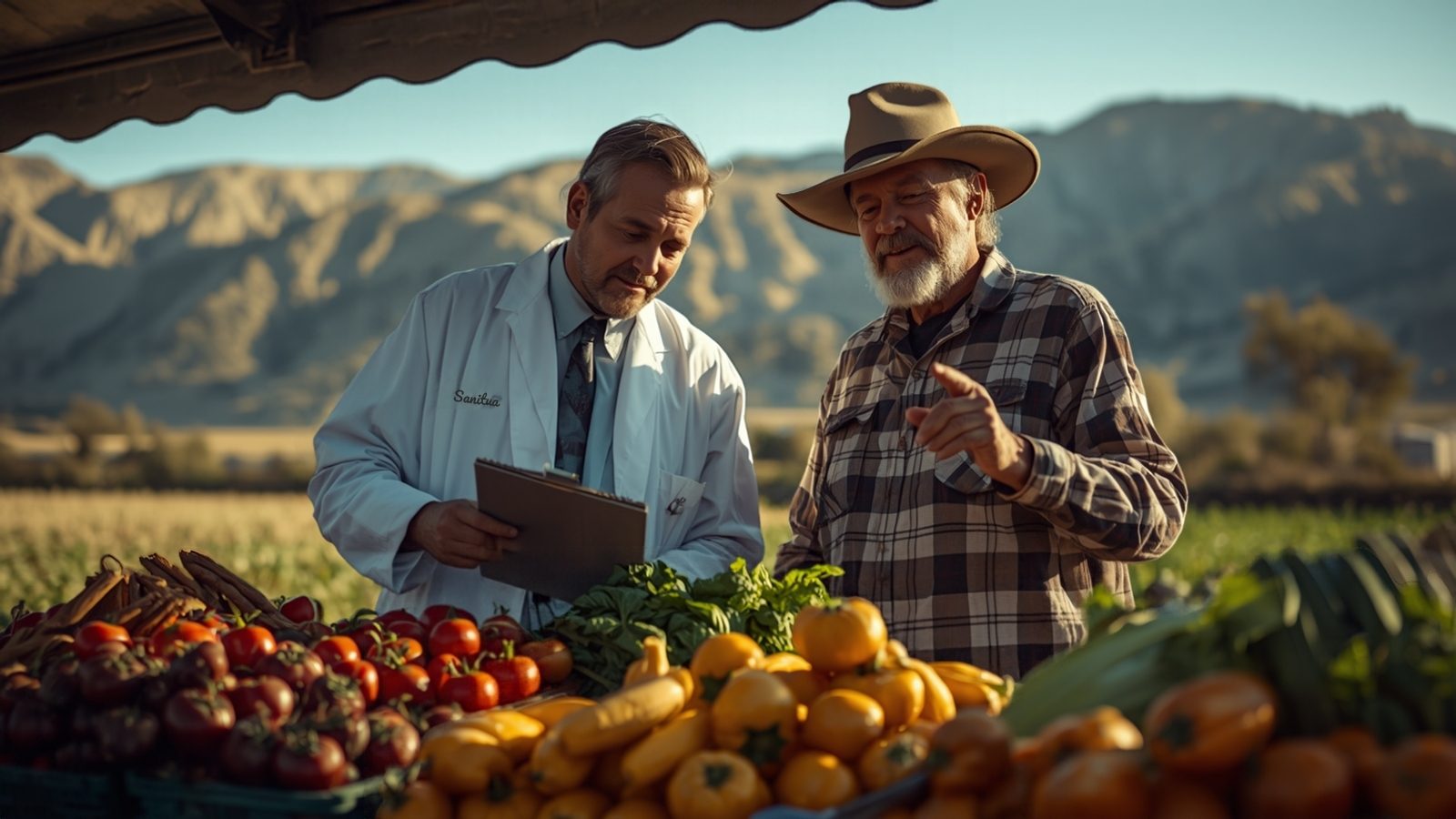
Agriculture and Food
Wondering who checks that food and feed are safe?
The state lab tests meat, dairy, animal feed, fertilizer and more for contaminants.
What it can do for you
- Testing samples for the department's other divisions, such as inspectors and the state veterinarian
- Checking that meat, dairy, feed, fertilizer and pesticides contain what their labels say
- Testing for contaminants: heavy metals, harmful bacteria, and drug or pesticide residues
What Laboratory Services does
Official website →The Department of Agriculture and Food's state lab. It tests food, feed, fertilizer, pesticides, water and hemp, kratom and cannabis products, mostly for the department's own inspectors.
What it does
- Testing samples for the department's other divisions, such as inspectors and the state veterinarian
- Checking that meat, dairy, feed, fertilizer and pesticides contain what their labels say
- Testing for contaminants: heavy metals, harmful bacteria, and drug or pesticide residues
- Testing groundwater quality and toxins from harmful algal blooms
- Testing hemp, kratom and medical cannabis products
- Testing samples from consumer complaints
Where to go instead
- Enforcement: when a complaint checks out, the department's compliance officers follow up
- Diagnosing sick animals; that's the Utah Veterinary Diagnostic Laboratory at USU
- Testing for human disease; that's the Utah Public Health Laboratory
Sources: UDAF Laboratory Services · Chemistry Testing · Microbiology Testing · HB 179 fiscal note · St. George News, Nov. 6, 2026. Checked Nov. 7, 2026.
What it tests
Official website →Chemistry →
- Feed and fertilizer: nutrients, moisture, protein and mold toxins such as aflatoxin
- Pesticide residues in soil, plants and water
- Harmful algal bloom toxins, such as microcystin
Microbiology →
- Dairy: bacteria counts, antibiotics and somatic cells
- Pathogens: Salmonella, E. coli, STEC and Listeria
- Foodborne illness samples
Specialized products →
- Hemp
- Kratom
- Medical cannabis
How this works
Official website →How to work with Laboratory Services, at a glance.
By phone: Lab phone (801) 816-3840 · Department line 801-982-2200, weekdays 8 a.m. to 5 p.m.
In person or by mail: 4451 South 2700 West, 3rd floor, Taylorsville, UT 84129
Laboratory Services makes decisions on its own programs, under state law (Utah Code Title 4, Chapter 2, Part 2). Many programs have rules on who qualifies; the office applies them to your case.
Start with the office's own contact options. If you disagree with a decision, the notice you get should explain how to ask for a review and by when. Your state legislators oversee and fund state agencies, and their offices can help you get an answer.
Get started
Official website →How to send a sample
- Call the lab first. Call (801) 816-3840 before sending a sample.
- Fill out the form. Use the chemistry or microbiology sample submission form on the lab's testing pages.
- Check the fees. Prices are on the department's fee schedule.
More Agriculture and Food offices
All 10 →Other offices on the same list, starting with others at ag.utah.gov.
State law and Laboratory Services
Utah Code →The laws and state rules this lab works under, as listed on its own page.
- Utah Code Title 4, Chapter 2, Part 2: State Chemist
- Utah Code Title 4, Chapter 2, Part 3: Enforcement and Penalties
- Utah Code Title 4, Chapter 14: Utah Pesticide Control Act
- Rule R66-32: Industrial hemp testing laboratories
- Rule R66-4: Independent cannabis testing laboratories
- Rule R66-52: Kratom product testing
- Rule R68-7: Utah Pesticide Control Rule
2026 new laws affecting Laboratory Services
All 2026 bills →2026 bills that change this office's work:
- HB 179 Milk AmendmentsRaw milk producers now pay for quarterly inspections, monthly testing and yearly registration: about $76,000 a year in new fees to the department.
Source: Legislative Fiscal Analyst fiscal notes
Do new or existing laws or regulations apply to me?
Answer two quick questions to find which Agriculture and Food office handles your situation.
1. Who are you asking for?
2. Which is closest to your situation?
I make, pack or sell food (other than a restaurant)
Food makers, processors and stores may need to register with or be inspected by the department. Restaurants and food trucks are usually permitted by your local health department instead.
Start here
I produce or sell milk or dairy products
Dairy and raw milk producers are inspected and registered; a 2026 law (HB 179) added fees for raw milk inspections and testing.
Start here
I raise livestock, poultry or other animals
Covers brands, animal health, disease reporting and rules for moving animals into Utah.
Start here
I grow or sell plants, seed, nursery stock or hemp
Nurseries, seed sellers and hemp growers may need a license or registration.
Start here
I apply pesticides for others, or sell them
Commercial pesticide applicators and dealers are usually licensed by the state.
Start here
I use commercial scales, fuel pumps or meters
Devices used to sell by weight or measure are checked for accuracy.
Start here
I want conservation help, grants or loans for my land
Programs for soil, water and grazing land, including grants and loans.
Start here
I want to buy or promote Utah-grown food
The state's buy-local program lists Utah producers and events.
Start here
I want to report a safety or labeling problem with food or feed I bought
The department inspects food sold in stores, and its lab tests samples from consumer complaints; if a complaint checks out, its compliance officers follow up. Problems at a restaurant go to your local health department.
Start here
Not sure where to start?
Many everyday services are local, not state. Restaurant and food truck permits usually come from the county health department; building permits, business licenses and zoning from your city.
Laboratory Services: researched from its official pages and the sources listed, Nov. 7, 2026.