Food prices
2.3% higher
USDA, Oct. 2026USDA forecasts food-at-home prices will rise 2.3% in 2026 and restaurant prices 3.5%. Its first 2027 grocery forecast is 1.0%, with a wide range.
What to know
- USDA expects beef and veal to cost 8.7% more in 2026 because less beef is being produced. Eggs are forecast to fall 29.3% as flocks recover from bird flu.
- Groceries are taxed 3% in Eagle Mountain: 1.75% state, 1% local and 0.25% county. The Legislature sets the state rate.
- KUER reported a week of groceries in Utah costs about $278 on average. The state grocers' group said weather, animal and crop diseases and fuel costs drive most price swings.

8.7%
USDA, Oct. 2026USDA expects beef and veal to cost 8.7% more in 2026 because less beef is being produced. Eggs are forecast to fall 29.3% as flocks recover from bird flu.
Learn more →
$1,023
USDAThe most a family of four in the lower 48 states can get in SNAP food benefits a month. Its gross income limit is $3,575 a month through Sept. 30, 2027.
Learn more →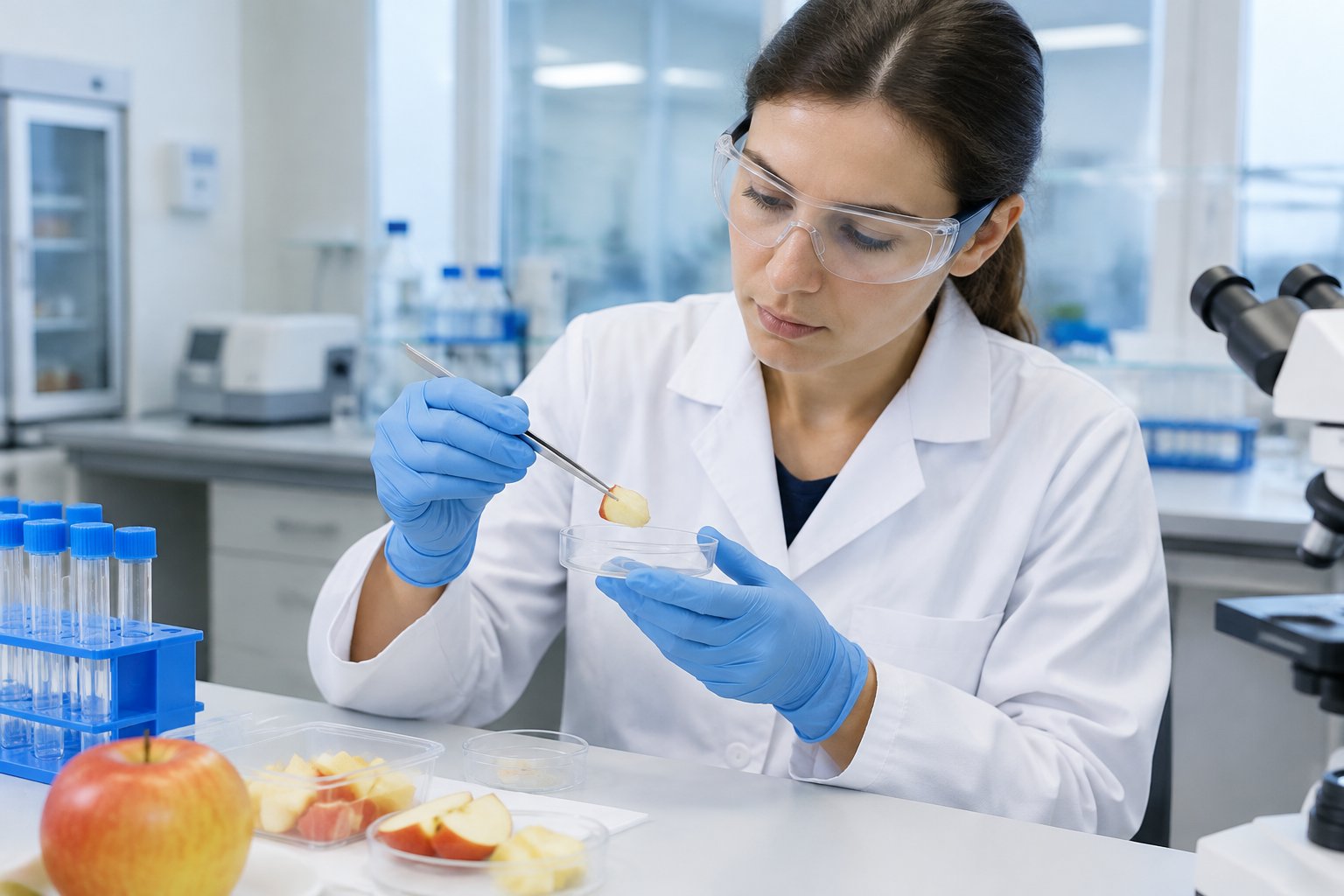
20,000
H.B. 179Under H.B. 179 (2026), every batch of raw milk must be tested before sale. Limits are 20,000 bacteria and 10 coliform per milliliter.
Learn more →
$100
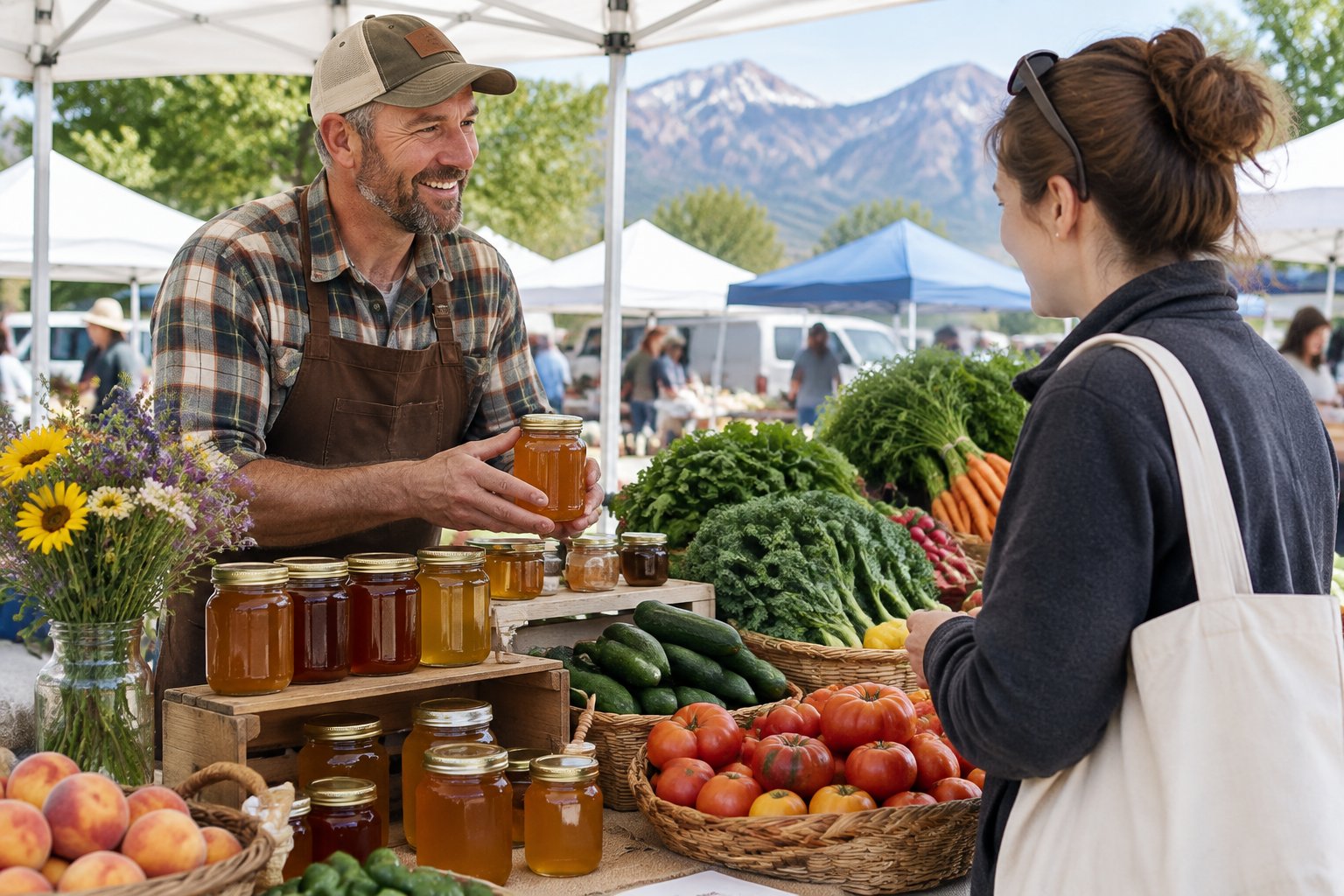
Utah's OwnA year of membership in the state's buy-local program, for Utah businesses that grow, raise or make food here. Members get a directory listing and the logo.
Learn more →
$2 for every $1
SNAP bonusBuy $1 of SNAP-eligible food at a participating market, farm stand or store and earn $2 to spend on fresh fruits and vegetables, up to $20 a day.
Learn more →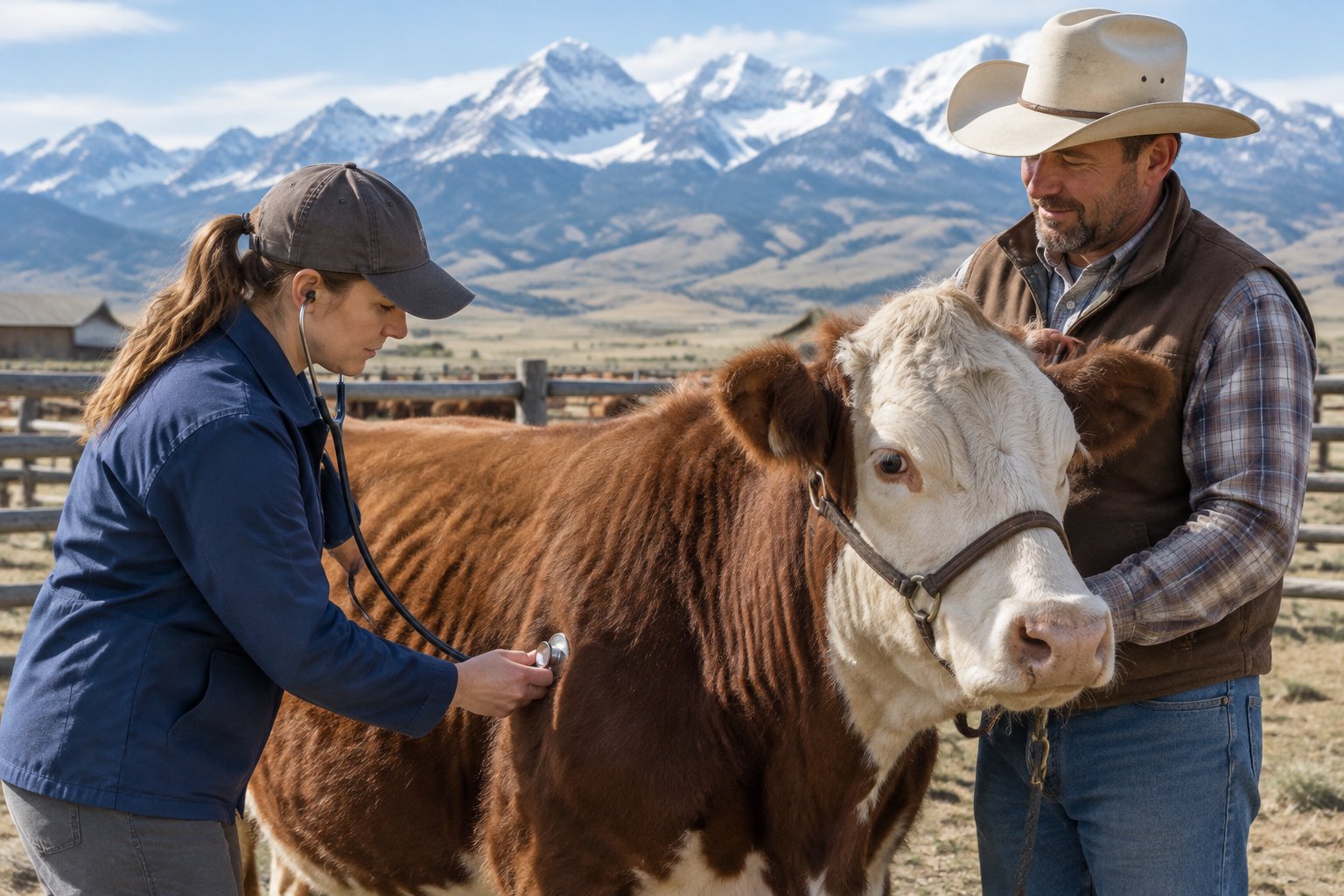
2,322
USDA census, 2022Utah County had 2,322 farms in 2022, down 10% from 2017. Land in farms fell 3%, to 296,042 acres.
Learn more →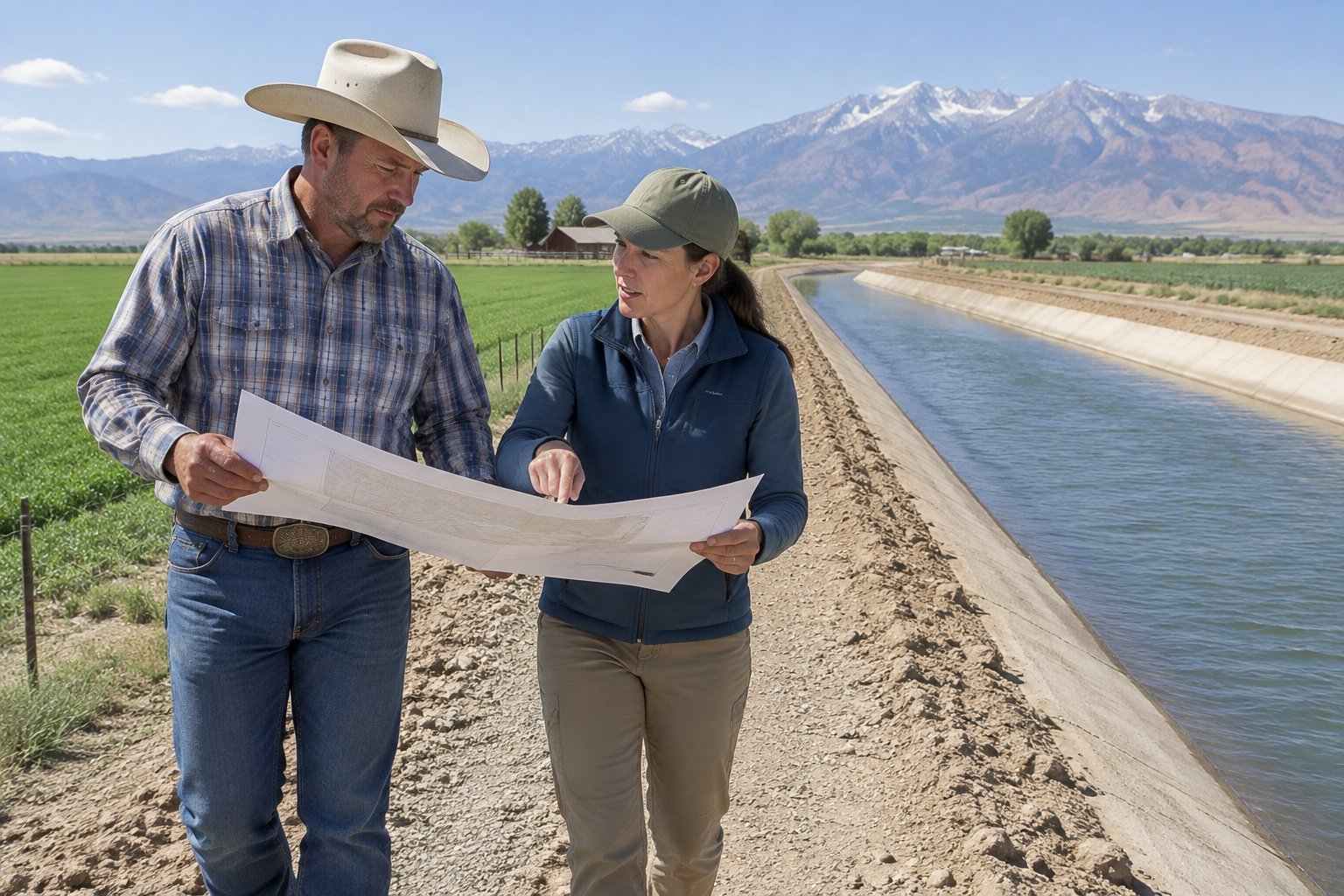
$1 million
UDAFThe state's water optimization grants pay up to $1 million for an irrigation or canal company and up to $500,000 for a farm.
Learn more →
3%
Food rateGroceries are taxed 3% in Eagle Mountain: 1.75% state, 1% local and 0.25% county. The Legislature sets the state rate.
Learn more →