Find a job, file for unemployment, and get food, cash, child care, energy and housing help. Executive director: Casey Cameron, appointed by the governor.
AuthorityCreated by state law, Utah Code 35A-1-103, which gives it the policymaking, regulatory and enforcement powers in Title 35A. Source
LeaderExecutive director Casey Cameron, appointed by the governor with the advice and consent of the Senate. Source
BudgetSet each year by the Legislature through the Economic and Community Development Appropriations Subcommittee and the Executive Appropriations Committee.
Why Workforce Services
Everyday ways its work reaches you
If you lose your jobIt pays unemployment: your highest quarter's wages divided by 26, minus $5, up to $801 a week, for 10 to 26 weeks. Source
Food on the tableIt runs SNAP and cash help; if you qualify for expedited service, you can get SNAP within seven days. Source
Help for veteransIt has staff whose job is helping veterans find work. Source
Finding workIt runs 30 employment centers and free job listings, and served 712,008 job seekers in fiscal 2026. Source
October jobs reportWorkforce Services releases Utah's statewide employment and unemployment numbers for October; county rates follow Nov. 23. Workforce Services
Dec. 16
State budget deadlineExecutive Appropriations deadline for revenue estimates, base budgets and subcommittee allocations. Utah Legislature
Jan. 19
2027 General Session begins45 days at the Utah State Capitol. Utah Legislature
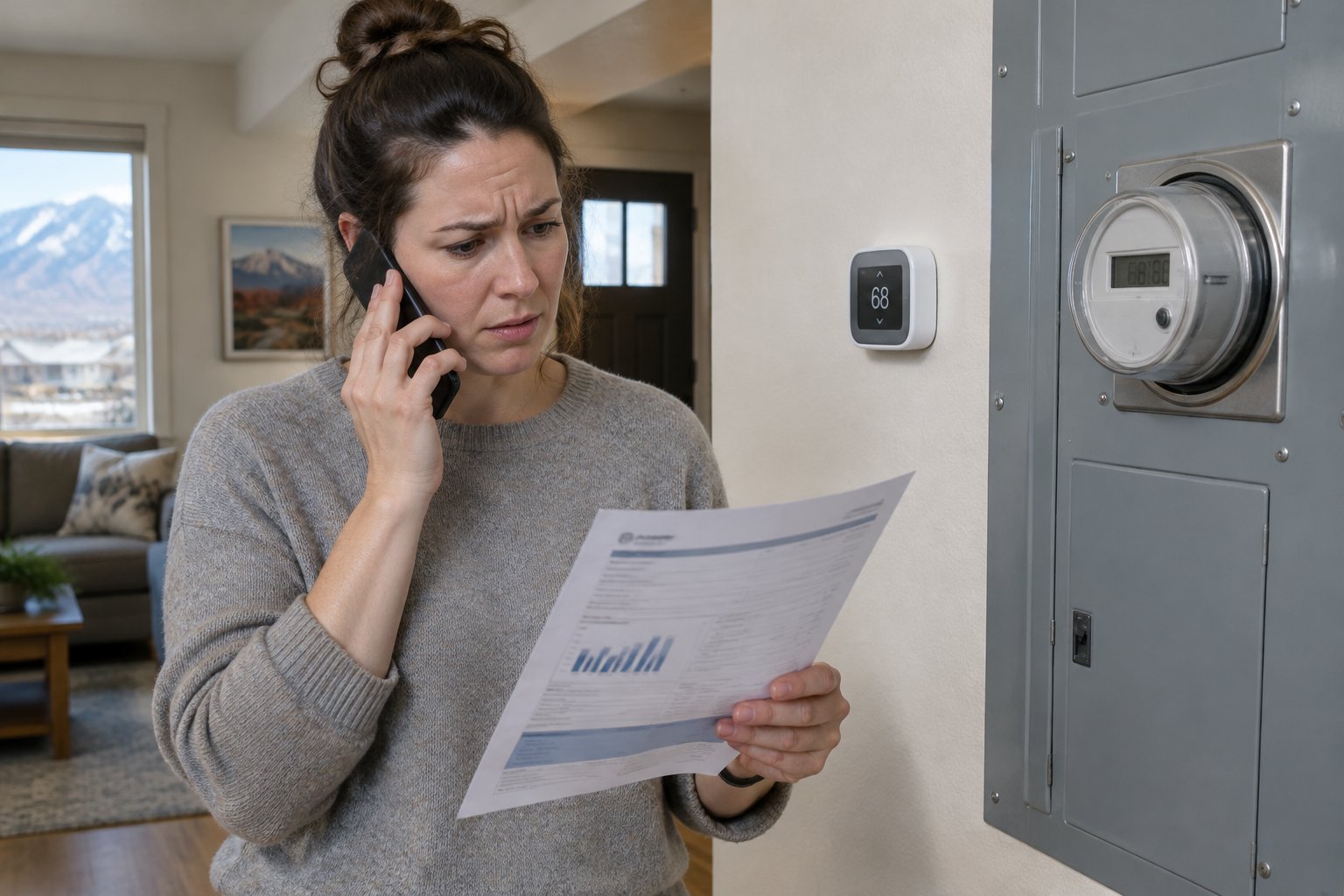
Utilities · Winter protectionWinter shut-off protection starts Nov. 15From Nov. 15 to March 15, eligible customers of state-regulated utilities can be protected from shut-off if they agree to a payment plan. Apply through your local HEAT office.What you can do: Ask for protection
State General and Income Tax funds$134.3 million8.8%
Transfers$48.4 million3.2%
Fees and other receipts$7.1 million0.5%
55¢Of each dollar Workforce Services spent in fiscal 2026 came from the federal government.
$134.3 millionCame from the state's main tax funds, the General and Income Tax funds.
$1.53 billionTotal spending in fiscal 2026 (July 2025 to June 2026).
Restricted program funds are money set aside by law for specific programs. Fees and other receipts are dedicated credits and expendable receipts. Source: Department of Workforce Services 2026 Annual Report (budget data, actual spending).
Operations and policy$427.7 million28%
Workforce Services funds$399.8 million26%
Nutrition assistance$382.8 million25%
Homelessness programs$96.3 million6.3%
Housing and community development$89.0 million5.8%
Rehabilitation$86.7 million5.6%
Unemployment insurance$26.2 million1.7%
Administration$19.5 million1.3%
Other$6.7 million0.4%
1.3%Went to department administration ($19.5 million).
$382.8 millionSpent on the Nutrition Assistance budget line, the third-largest.
$96.3 millionHomelessness programs.
Names follow the report's budget lines. Housing includes the community development capital budget; Other is General Assistance and special service districts. Source: Department of Workforce Services 2026 Annual Report.
Workforce Services, all funds$1.53 billion4.8%
Rest of Utah's budget$30.2 billion95.2%
About $4.80Of every $100 in Utah's budget goes to Workforce Services.
1.1%The department's $134.3 million in state tax funds, compared with the $11.8 billion General, Income Tax and Uniform School funds.
$31.7 billionUtah's fiscal 2026 operating and capital budget.